
Homeowners are increasingly interested in adding ADUs to their property in the Massachusetts area. This might be for any aging family member to have a place to live and be supported by your family, or it could be for rental income. The cost of living and the cost of elder care in this part of the US are on the rise, which makes ADUs an attractive option for many property owners.
You need to know more about the process of having an ADU in Massachusetts before you start building one. There are various considerations that you should have in mind so that you aren’t surprised by bottlenecks or setbacks that you didn’t see coming. This guide will be a big help if an ADU is on your list of items to add to your property.
What is an ADU?
First of all, let’s define what an ADU is. Officially, these are called Accessory Dwelling Units, and they are self-contained, small residential units that are located on the same property as a single-family home. Some people also call these granny flats because they are frequently set up for elderly parents or loved ones to have a safe place to live where they can be helped out by friends and family.
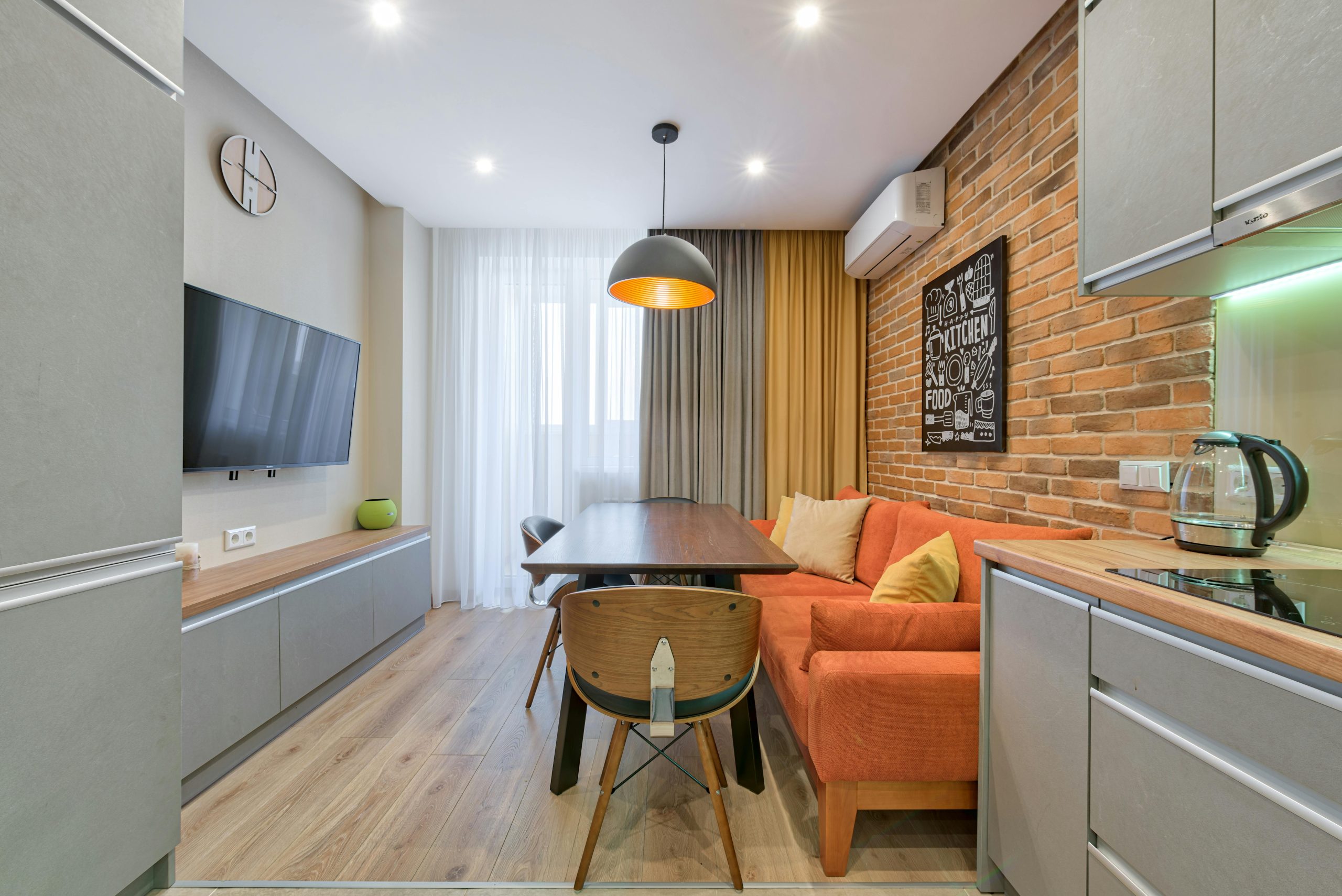
An ADU will be designed for solo living and will usually have a cooking space as well as a bedroom and a bathroom. ADU design can vary, so you might have this area totally separate from your main home, or it could be an attached space that has its own entrance and exit. Some people also put an ADU in their garage by converting it into a living space.
ADUs can offer you lots of new ways to use your property, and many people look at them as added value for their home if they should ever choose to sell. There are lots of benefits to adding a separate dwelling to your property, and an ADU is often allowed, while a whole separate single-family home will typically not be allowed.
What Are the Laws Governing ADUs in Massachusetts?
You do need to know that there are guidelines that you have to follow when you put in an ADU. You need to comply with zoning and building standards as well as various other specifics that are set out in statewide laws.
In Massachusetts, you will need to comply with sizing requirements, and you will need to make sure that your ADU is smaller than the main house. ADUs are allowed to be rented, but typically are not allowed to be rented for more than thirty days at a time. You will want to be sure that you check local laws regarding ADUs as well as statewide laws before you start building.
It is often important to work with a builder who is experienced in these projects so that all of your t’s are crossed, and all of your I’s are dotted. Having an expert builder on the job can ensure that you don’t run into problems that could have been avoided, and it also ensures that your project will stay on target when it comes to completion timelines.
What Will an ADU Cost?
Your final cost for your ADU can vary significantly. Some people build for as little as $100 per square foot, while others will splurge and spend far more to get top-tier finishes, surfaces, and custom storage solutions for their ADU. ADUS still needs walls, plumbing, and if you install a kitchen, you might need gas for cooking surfaces and so forth.
Remember as well that you need to consider what your budget should be, so that you don’t overextend yourself. It can be easy to get excited about a project and not think about the cost until it’s too late to make changes to the budget.
One of the biggest areas where people don’t leave enough budget is utilities and any kind of modification to existing structures. Things can sneak up on you when you are modifying a building that is already complete, so you might want to leave some room in your budget for challenges related to the process of making space for your ADU.
There are other costs that might sneak up on you as well, such as septic for your ADU or fire safety considerations that are costly. Multi-family dwellings have different fire safety considerations than ADUs, so designing your ADU properly is often key to controlling costs and ruling out surprises.
While local builders and suppliers are often a great choice for this kind of project, you will still want to be certain that you are working with an experienced and qualified builder. There are enough small details that need to be handled correctly with ADUs that you don’t want to leave the project and your budget up to chance.
An ADU Can be a Great Addition to Your Property
When it comes to having enough room for everyone in your family to live comfortably, or being able to create rental income to help you pay the bills, an ADU can be a great addition to your property. You will need to set a budget for your ADU and verify that you are going to be able to create it to your standards in the space that you have to work with.
Working with an experienced contractor who is familiar with ADU construction will make a big difference in your overall experience with this upgrade to your home. You shouldn’t leave anything up to guesswork, or you could run into major problems that could have been easily avoided with more research and experience backing the project. Always be sure that you truly do have the space for an ADU and that you are prepared for the reality of having other people or extended family living with you in tight quarters. If this still sounds like the right decision for your needs, then an ADU is probably the perfect fit for your home.