
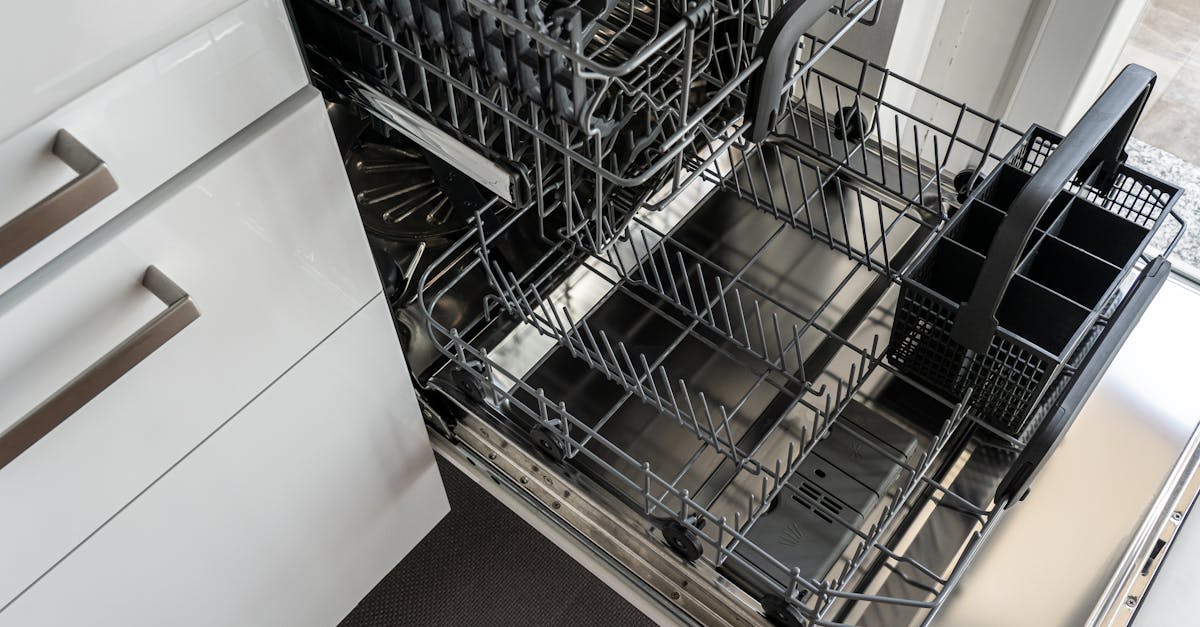
This guide is part of a series designed to help landlords educate tenants on how to properly live with—and avoid damaging—the various features and systems within their homes. Each installment focuses on practical, real-world best practices that help keep appliances functioning properly and reduce the risk of avoidable damage. In this section, we cover best practices for using and caring for dishwashers.
Following the guidelines below helps keep the dishwasher cleaning effectively and reduces the risk of damage caused by misuse. Damage resulting from improper use may require repairs that could be the tenant’s financial responsibility.
For broader context on how proper usage ties into overall home care and maintaining plumbing, you might find it helpful to reference the rental property maintenance checklist that highlights common plumbing concerns and routine care. Additionally, regular rental inspections can help catch appliance misuse early and reinforce proper practices.
Proper Use (Best Practices)
- Scrape dishes thoroughly into the trash before loading.
All food scraps should go into the garbage—not the sink, drain, or garbage disposal. - Wipe off excess oil or grease completely before loading.
Oils and grease can accumulate in drain lines and contribute to clogs, especially in older plumbing. - Rinse dishes after scraping to remove remaining residue.
- Load dishes with adequate spacing so water can reach all surfaces.
Avoid tightly packing or nesting items. - Ensure spray arms can rotate freely and are not blocked by large items.
- Use dishwasher-specific detergent only, in an amount appropriate for the home’s water type.
- Run the dishwasher with a full load when possible.
Important Note About Modern Dishwashers (Very Important)
Most newer dishwashers do not have a built-in food grinder. Instead, they rely on:
- A filter or screen that captures food particles
- Recirculated water to clean dishes efficiently
This filter must be kept clean to:
- Maintain effective cleaning
- Allow proper drainage
- Prevent odors and strain on the pump
- Extend the life of the appliance
Tenant Maintenance Responsibilities
- Clean the dishwasher filter regularly (typically every few weeks, or more often with frequent use).
The filter is usually located beneath the bottom rack and can be rinsed with warm water. - Thoroughly scrape and rinse dishes before placing them in the dishwasher.
- Wipe down door seals and the detergent dispenser as needed.
- Notify management promptly if the dishwasher is not draining or cleaning properly.
Common Mistakes to Avoid
- Placing food scraps or grease-coated dishes directly into the dishwasher.
- Assuming the dishwasher can grind or dispose of food waste.
- Using too much detergent.
In some water conditions—especially soft water—excess detergent can cause excessive sudsing, which may lead to leaks or water overflowing onto the floor. A moderate amount is usually sufficient. - Using regular dish soap instead of dishwasher detergent.
- Overloading racks or blocking spray arms.
- Ignoring a dirty or clogged filter.
Warning Signs & When to Report an Issue
Report concerns promptly if you notice:
- Standing water at the bottom of the dishwasher
- Dishes remaining dirty despite proper loading and filter cleaning
- Suds leaking onto the floor
- Unusual or loud operating noises
- Persistent odors
Why This Matters in Older Homes
Older plumbing systems often have narrower drain lines and less aggressive drainage design. Food particles, grease, and excess detergent can accumulate more easily, increasing the risk of clogs, leaks, and water damage. Following these guidelines helps prevent avoidable repairs and protects the appliance and surrounding cabinetry and flooring.